
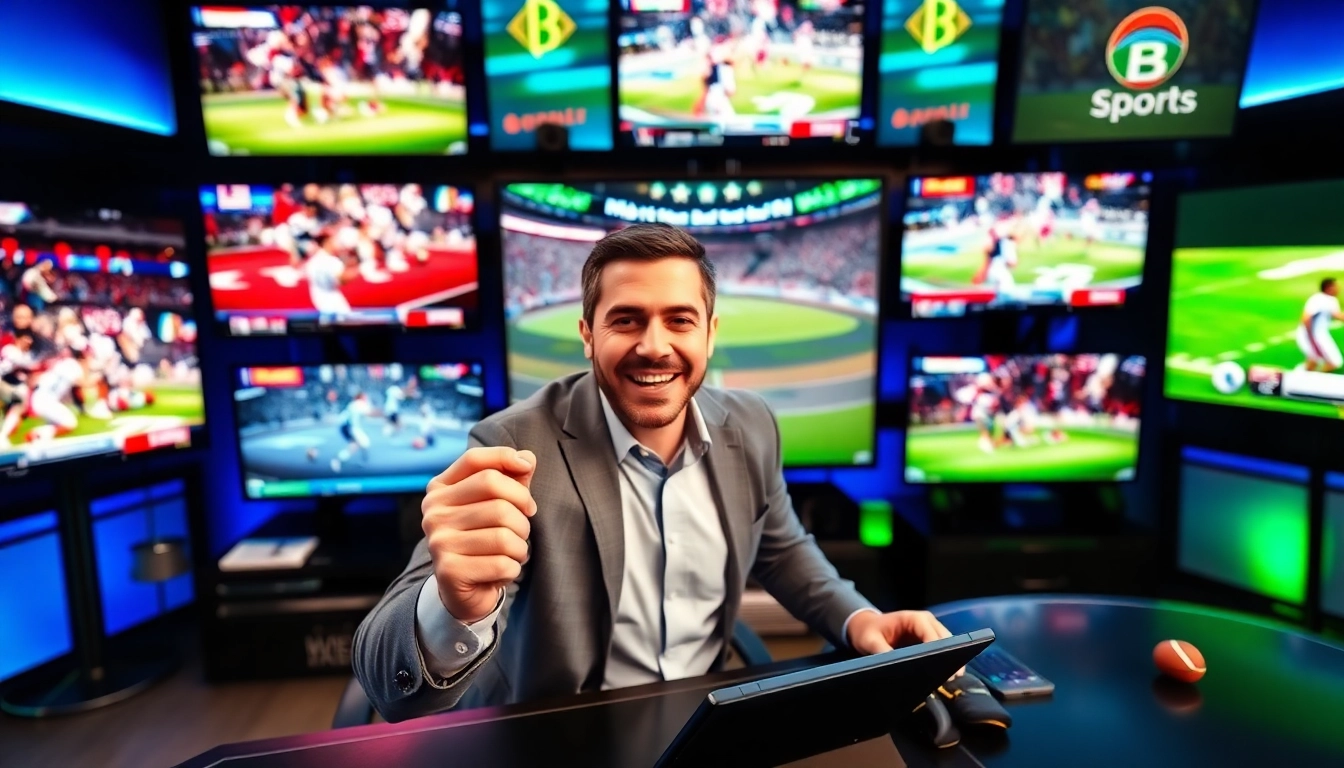
Understanding the Landscape of Sports Broadcasting
Historical Context of Sports Broadcasting
Sports broadcasting has evolved significantly since its inception in the early 20th century. The first known broadcast of a sporting event occurred in 1921 when a radio station in Pittsburgh aired a boxing match. This marked the beginning of a new era, where audiences could tune in from the comfort of their homes to follow their favorite sports. The evolution continued with the advent of television, which revolutionized the way fans consumed sports content. The 1950s saw the introduction of color broadcasts, enhancing viewer experience and engagement.
The Evolution of Technology in Broadcasting
From radio waves to high-definition streaming, technology has played a pivotal role in the transformation of sports broadcasting. In the 1980s, cable television brought dedicated sports channels, providing 24/7 coverage of various sports. Fast forward to the digital age, where live-streaming services enable fans to watch games from anywhere in the world. Additionally, innovations like virtual reality and augmented reality are beginning to change how sports content is presented, leading to more immersive viewer experiences.
Current Trends in Sports Broadcasting
Today, Sports Broadcasting is characterized by the shift towards digital platforms. Streaming services are now a primary avenue for sports consumption, with platforms offering exclusive rights to various leagues and events. This trend is accompanied by a surge in personalized content delivery, ensuring that viewers receive tailored sports updates based on their preferences. Furthermore, the integration of social media has become crucial for broadcasters, providing real-time interaction and engagement with audiences.
Key Components of Effective Sports Broadcasting
User Engagement Strategies for Sports Broadcasting
Effective sports broadcasting hinges on maintaining viewer engagement. Broadcasters employ a multitude of strategies, including interactive features such as polls and live Q&A sessions during events. Additionally, implementing gamification elements—like fantasy sports leagues linked to broadcasts—helps enhance viewer involvement. These strategies not only keep audiences entertained but also encourage them to return for future broadcasts.
Optimizing Content for Diverse Audiences
In today’s global market, sports broadcasters must cater to a diverse audience. This involves creating content that resonates with different cultural backgrounds, age groups, and interests. Localization of content, including commentary in multiple languages and coverage of international sports events, ensures broader appeal. By understanding audience demographics and preferences, broadcasters can create more inclusive and engaging programming.
Importance of Real-time Interaction in Broadcasting
Real-time interaction has become a cornerstone of modern sports broadcasting. By utilizing social media platforms, broadcasters can engage fans during live events, soliciting their thoughts and reactions. This not only enhances the viewing experience but also fosters a sense of community among fans. Live chats, tweets, and Instagram stories allow audiences to feel more connected to the events they love and to each other.
Challenges Facing the Sports Broadcasting Industry
Adapting to Emerging Technologies
The rapid pace of technological advancement presents challenges for sports broadcasters who must continuously adapt to new trends and tools. For instance, the rise of artificial intelligence is changing content creation processes, while machine learning is being used to analyze viewer preferences and behaviors. Broadcasters need to stay ahead of these developments to remain competitive, which can involve significant investment in technology and training.
Balancing Advertising and Content Quality
While advertising is essential for revenue, excessive ads can detract from the viewer experience. Striking a balance between monetization and maintaining high-quality content is crucial. Broadcasters are exploring sponsored segments or integrating advertisements seamlessly into broadcasts, which allows for revenue generation without overwhelming the audience. Careful analysis of viewer feedback can also help broadcasters refine their advertising strategies.
Navigating Legal and Broadcasting Rights Issues
The legal landscape surrounding sports broadcasting is complex and ever-changing. Issues relating to broadcasting rights, contracts, and copyright can hinder the broadcasting of certain events or leagues. Broadcasters must navigate these complexities while ensuring compliance with regulations. This often requires legal expertise and clear communication with partners to secure fair broadcasting deals.
Best Practices for Broadcasting Live Sports Events
Creating a Seamless Viewer Experience
To keep audiences engaged, broadcasters must create a seamless viewing experience. This includes ensuring that the technical aspects—such as streaming quality, accessibility, and user interface—are all optimized. Using high-quality cameras and sound equipment enhances viewers' enjoyment, while a user-friendly platform allows easy navigation through content. Eliminating buffering issues and providing reliable customer support also contributes to a positive viewer experience.
Enhancing Visual and Audio Quality
Visual and audio quality are paramount in sports broadcasting. Utilizing HD and 4K streaming technologies allows for stunning visual clarity, while advanced audio techniques such as surround sound provide an immersive experience. Broadcasters should also consider providing options for different audio commentary, allowing viewers to choose their preferred style or even opt for live fan commentary.
Leveraging Social Media to Boost Reach
Social media platforms are invaluable tools for expanding the reach of sports broadcasts. Broadcasters can use these platforms to promote upcoming events, share highlights, and engage with fans directly. Collaborations with influencers in the sports domain can further enhance visibility and attract new audiences. By creating shareable content—such as short clips or behind-the-scenes footage—broadcasters can increase engagement and drive traffic to their primary broadcasting channels.
Measuring Success in Sports Broadcasting
Analyzing Viewer Metrics and Feedback
Measuring the success of sports broadcasts involves analyzing viewer metrics, such as viewer count, engagement rates, and demographic data. By leveraging analytics tools, broadcasters can gain insights into what resonates with their audience. Incorporating feedback through surveys or direct audience interaction further helps refine content strategies, ensuring that broadcasts evolve in line with viewer preferences.
Utilizing Content Performance Tools
Content performance tools allow broadcasters to track how their content is performing across various platforms. Metrics such as view duration, click-through rates, and demographic information can indicate the success of specific broadcasts or segments. By regularly reviewing this data, broadcasters can make informed decisions about future content development, helping to refine their overall strategy.
Setting Goals for Audience Growth and Retention
Establishing clear goals for audience growth and retention is essential for sports broadcasters. This can involve increasing subscription numbers, enhancing viewer engagement, or expanding market reach. Monitoring progress toward these goals through KPIs (Key Performance Indicators) allows broadcasters to adjust their strategies as needed, ensuring that they remain responsive to changing audience dynamics.
Frequently Asked Questions about Sports Broadcasting
What is sports broadcasting?
Sports broadcasting refers to the dissemination of sports content, including live coverage of events, highlights, and commentary via various media platforms, such as television, radio, and online streaming.
How has technology impacted sports broadcasting?
Technology has revolutionized sports broadcasting by introducing digital streaming, high-definition video, and interactive features, enhancing viewer engagement and accessibility.
Why is audience engagement important in sports broadcasting?
Audience engagement is crucial for maintaining viewer interest, fostering a sense of community among fans, and driving consistent viewership across broadcasts.
What are some challenges in the sports broadcasting industry?
Challenges include navigating technological advancements, balancing advertising with content quality, and addressing legal issues related to broadcasting rights.
How do I measure the success of sports broadcasts?
Success can be measured through viewer metrics, such as audience size, engagement rates, and feedback, as well as content performance using analytics tools.